Choosing the Right Platform for Your Lifestyle
With electric two-wheeled transportation booming across Canada, riders often find themselves cross-shopping between traditional pedal-assist commuter e-bikes and high-performance electric dirt bikes. While both run on clean lithium battery power, they are designed with completely distinct engineering philosophies, structural tolerances, suspension travel, and legal classifications. Let’s break down every major aspect to help you choose the ideal machine.
1. Structural Frame Geometry and Suspension Differences
- Traditional City Commuters: Feature lightweight aluminum or carbon step-through or diamond frames optimized for pedaling ergonomics. Suspension is typically modest (50mm–80mm travel) or rigid, tuned purely to absorb small pavement seams and sidewalk bumps. Curb weights hover around 18–26 kg.
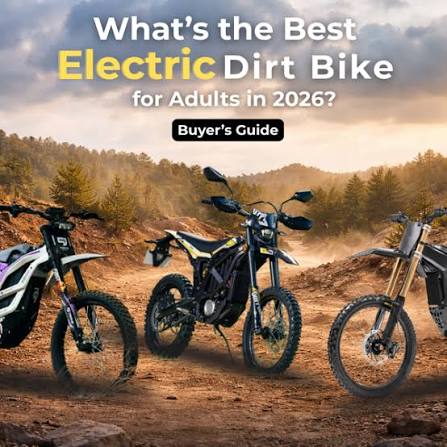
- Electric Dirt Bikes (Surron Class): Built around aerospace-grade forged aluminum double-cradle frames engineered to withstand motocross jumps, heavy root strikes, and aggressive downhill drops. Suspension travel ranges from 200mm to 240mm with fully adjustable inverted forks and piggyback reservoir rear shocks. Machine weight ranges from 50 kg to 88 kg, providing high-speed stability and durability.
2. Legal Classifications and Road Regulations Across Canada
Understanding provincial transport regulations ensures you ride legally and without hassles:
- Standard Pedelec / E-Bikes: Restricted to 32 km/h (20 mph) max assisted speed and 500W motor power with operational pedals. Can be ridden on designated bike paths, multi-use trails, and city bike lanes without a driver’s license, registration, or plate.
- Off-Road Electric Dirt Bikes (Light Bee X / Ultra Bee X): Built specifically for private property, designated off-highway vehicle (OHV) trail systems, and motocross parks. They produce 6,000W to 12,500W+ of peak power and reach 75–95 km/h, making them illegal for bicycle lanes or pedestrian paths.
- Street-Legal Homologated Dual-Sports (L1E / Ultra Bee T): Equipped with factory VIN numbers, mirrors, turn signals, high/low beam headlights, horn, and DOT-compliant tires. In most Canadian provinces (BC, Alberta, Ontario, Quebec), these can be plated and insured as Limited-Speed Motorcycles (LSM) or mopeds, allowing you to legally ride on city streets with a standard Class 5 or Class 6 driver’s license!
3. Real-World Capability Comparison Table
| Feature | Standard Commuter E-Bike | Surron Light Bee / Ultra Bee |
|---|---|---|
| Peak Motor Power | 250W – 750W | 6,000W – 12,500W+ |
| Max Terrain Capability | Pavement, smooth packed gravel | Steep singletracks, mud, boulders, jumps |
| Suspension Travel | 0 – 80 mm | 200 – 240 mm (Adjustable) |
| Top Speed | 32 km/h (Governed) | 75 – 95+ km/h |
| Braking System | 2-Piston Mechanical/Hydraulic | 4-Piston Heavy-Duty Hydraulic 203–220mm |
| Maintenance Focus | Chain derailleur, shifters, cables | Suspension seals, spokes, brake pads, belt |
Which One Should You Choose?
If your goal is casual pedal exercise, carrying groceries, or commuting strictly on protected urban cycling paths, a traditional commuter e-bike is practical and convenient. But if you crave heart-pounding off-road adrenaline, technical trail mastery, aggressive hill-climbing power, or dual-sport flexibility, an electric dirt bike like the Surron Light Bee or Ultra Bee delivers an unmatched riding experience.